
Understanding the Differences Between Two Popular Braid Styles
Braiding has been a significant part of many cultures, offering both style and function. Among the vast array of braided styles, knotless braids and traditional braids stand out due to their unique attributes and techniques. Knotless braids have gained popularity for their natural look and comfort, while traditional braids are favored for their durability and classic appeal. This article will explore these styles, compare their benefits, challenges, and share some best practices to help you choose the right one for your hair needs.
What Are Knotless Braids?
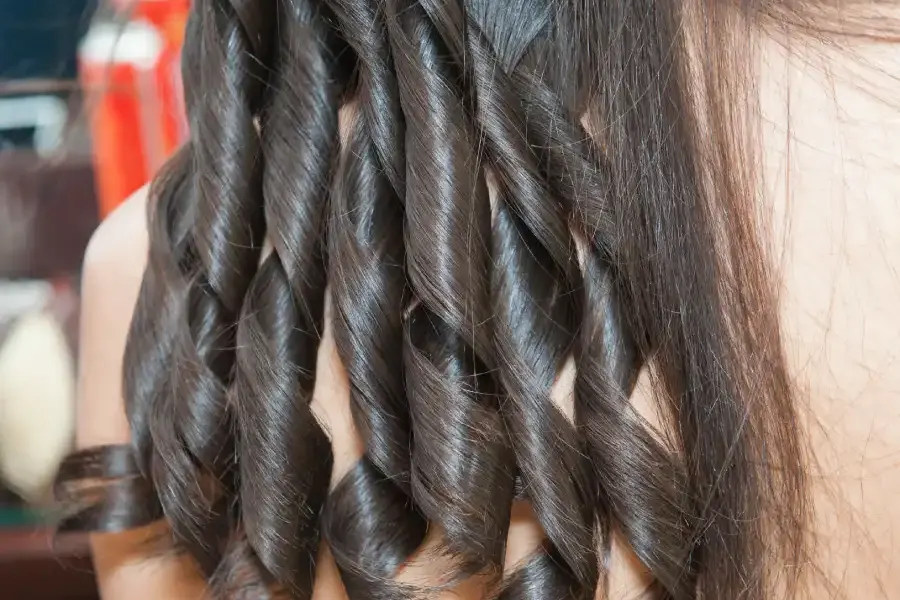
Knotless braids are an innovative twist on classic braiding techniques. Unlike traditional braids, they start with your hair before gradually adding extensions along the length. This method creates a seamless and natural appearance. One of the main advantages is reduced tension on the scalp, making it a more comfortable option for many. Additionally, knotless braids tend to last longer without causing damage because they don’t put as much strain on the roots.
Introducing French Curls in Your Hair Routine
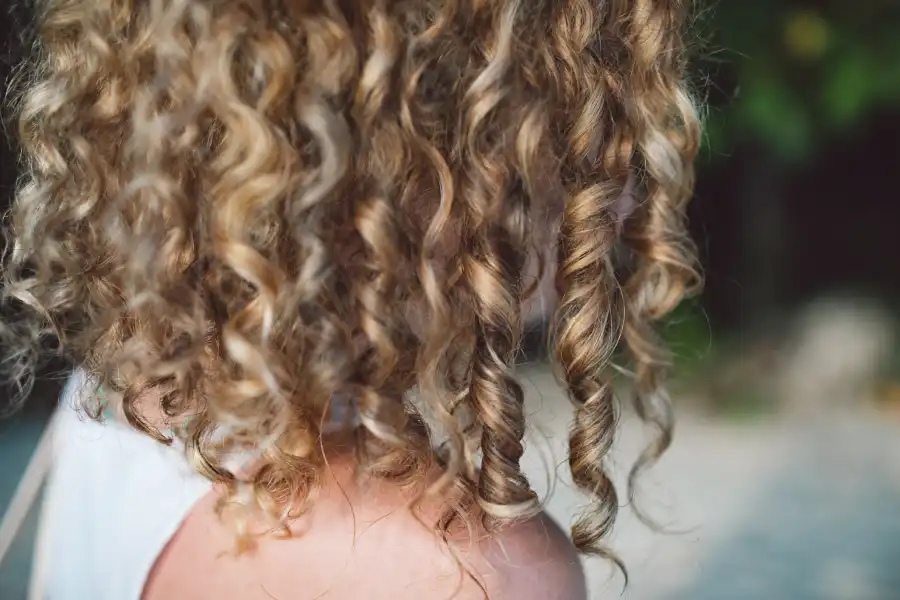
Incorporating styles like french curls can further enhance your braid game. These curls add a touch of elegance and flair, complementing both knotless and traditional braids. The soft, spiral texture of french curls offers a fresh look that can make your hairstyle stand out even more. Whether you’re heading to a formal event or looking to spice up your everyday style, these curls can be an excellent choice.
The Appeal of Traditional Braids
Traditional braids have been cherished for centuries. They involve tightly securing extensions at the root using a small knot. This technique makes them incredibly durable and suitable for various activities. Many people appreciate traditional braids for their structured look and long-lasting hold. However, it’s essential to consider that this style may cause more tension on the scalp compared to other styles like knotless braids.
Benefits of Each Braid Type
- Knotless Braids: Comfortable, natural-looking, less tension on the scalp
- Traditional Braids: Durable, strong hold, well-suited for active lifestyles
Common Challenges You Might Face
Both braid types come with their own set of challenges. With knotless braids, the installation process can take longer since it involves gradually adding extensions. On the other hand, traditional braids might cause discomfort if done too tightly, leading to potential breakage or traction alopecia over time.
How to Choose the Right Style for You
- Consider your lifestyle: If you’re highly active, traditional braids offer durability.
- Think about comfort: Knotless options are gentle on the scalp.
- Assess maintenance: Consider how often you’ll need touch-ups based on your hair growth rate.
Practical Tips for Maintaining Your Braids
Maintaining braids properly can prolong their lifespan and keep your hair healthy. Ensure regular cleansing with a diluted shampoo to remove buildup. Moisturize your scalp to prevent dryness and itchiness. Lastly, protect your braids at night by using a silk scarf or satin pillowcase.
A Closer Look at French Curls
If you’re opting for additional flair, incorporating french curls into your routine can elevate any look. Their versatility allows you to switch from casual to chic effortlessly. When paired with either knotless or traditional braids, these curls provide an extra layer of sophistication that’s hard to miss.
Your Perfect Braiding Solution Awaits
Selecting between knotless and traditional braids ultimately depends on personal preference and lifestyle needs. For those in Lanham, MD seeking expert advice or professional services, Evohairbraiding is ready to assist. Our team specializes in understanding individual hair needs and delivering exceptional results. Call us today at (202) 790-0049 to book your consultation.