
Understanding How Hair Texture Impacts Styling Techniques
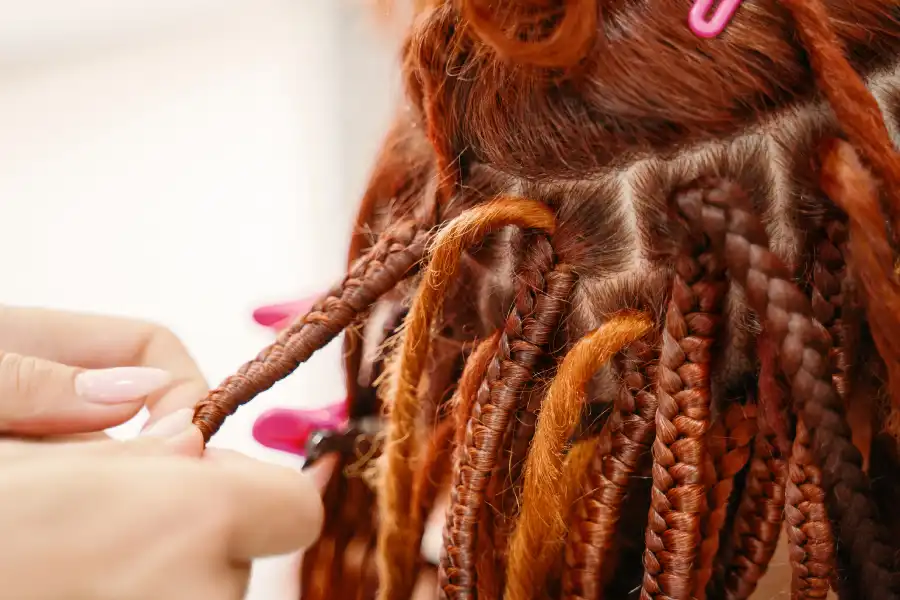
Senegalese twists are a popular protective hairstyle. They offer both style and protection for natural hair. However, achieving perfect results depends on understanding your hair type. Hair texture influences how well the twists hold and their overall look. By knowing your hair’s characteristics, you can tailor the technique to suit it, ensuring better outcomes.
The Importance of Knowing Your Hair Type
Your hair type plays a crucial role in styling success. Different textures and thicknesses require different approaches. For example, fine hair might need extra care to avoid slippage. On the other hand, coarse hair might demand more moisture and tension. Understanding these differences helps in achieving perfect senegalese twists.
How to Determine Your Hair Type
Before diving into styles like senegalese twists, it’s important to identify your hair type. This involves looking at factors like curl pattern, porosity, density, and elasticity. Each factor affects how the hair behaves under different conditions. You can assess these traits through simple tests or consult with a professional stylist.
Choosing the Right Products for Your Hair Type
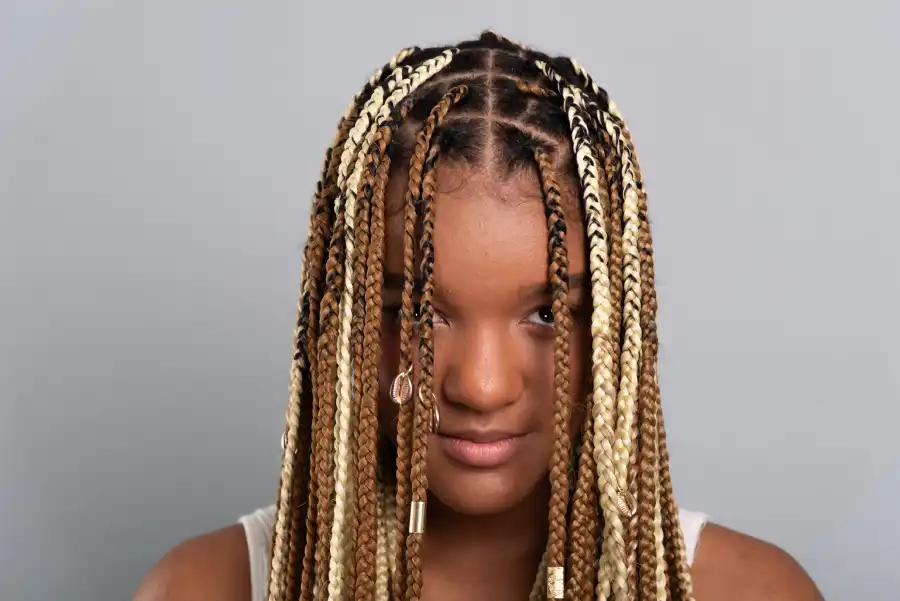
Once you’ve identified your hair type, select suitable products for maintenance. Moisturizing creams and leave-in conditioners work wonders for dry or coarse hair. Lighter oils may be better for finer strands to prevent weighing them down. Tailoring product choices will enhance the longevity and appearance of your twists.
Benefits of Customized Styling Techniques
Tailoring your approach based on hair type yields numerous benefits. Proper techniques can enhance durability and comfort, reducing the chance of breakage. It also ensures the twists look neat and last longer, minimizing frequent retouching needs. This customization makes the styling process efficient and satisfying.
Common Challenges in Styling Different Hair Types
Each hair type presents its own set of challenges when creating styles like twists. Fine hair may not hold as well without additional grip-enhancing products. Thick or curly hair might take longer to section and twist neatly. Addressing these issues requires patience and the right tools to avoid frustration.
Steps for Preparing Your Hair for Twists
- Start by washing and deep conditioning your hair to ensure it’s clean and moisturized.
- Detangle using a wide-tooth comb to remove all knots gently.
- Section your hair into manageable parts based on desired twist size.
- Apply appropriate products that match your hair type for added protection.
- Begin twisting from roots to ends, ensuring consistent tension throughout.
- Seal ends with a light oil for lasting hold and shine.
Expert Tips for Maintaining Twists
- Wrap your twists in a silk or satin scarf at night to reduce frizz.
- Avoid heavy products that could weigh down or loosen your twists.
- Refresh your scalp with a light spritz of water mixed with essential oils.
- Stay away from excessive heat styling to maintain the health of your hair.
The Cost Considerations of Professional Styling
Professional styling offers precision but comes with costs that vary widely. Factors influencing pricing include stylist expertise, location, and service complexity. While DIY methods save money, investing in expert help often assures higher quality results. Consider your budget and desired outcome when deciding whether to visit a salon or style at home.
Concluding Thoughts With Quality Service Providers
Perfecting hairstyles like these requires attention to detail and understanding of personal needs. At Evohairbraiding, we pride ourselves on offering tailored services that meet each client’s unique hair requirements. Our expert team is ready to assist you in Lanham, MD with top-notch styling solutions. Contact us today at (202) 790-0049 for an appointment or consultation!